Michael Zagaris: 60 Years of NFL Photography
Michael Zagaris
November 1 – April 25, 2027
Opening Sunday, November 1 · 12–3PM
524 Wick Avenue
Youngstown, OH 44502
FOR IMMEDIATE RELEASE
THE BUTLER INSTITUTE OF AMERICAN ART PRESENTS
MICHAEL ZAGARIS: 60 YEARS OF NFL PHOTOGRAPHY
Landmark exhibition chronicles six decades of professional football through the intimate lens of acclaimed photographer Michael Zagaris
November 1, 2026–April 25, 2027
YOUNGSTOWN, OH — The Butler Institute of American Art is pleased to present Michael Zagaris: 60 Years of NFL Photography, on view November 1, 2026 through April 25, 2027. Spanning more than six decades, the exhibition celebrates one of the most distinctive photographic voices in American sports and popular culture and offers an intimate view of professional football through Zagaris’s extraordinary access to the people, rituals, personalities, and defining moments of the game.
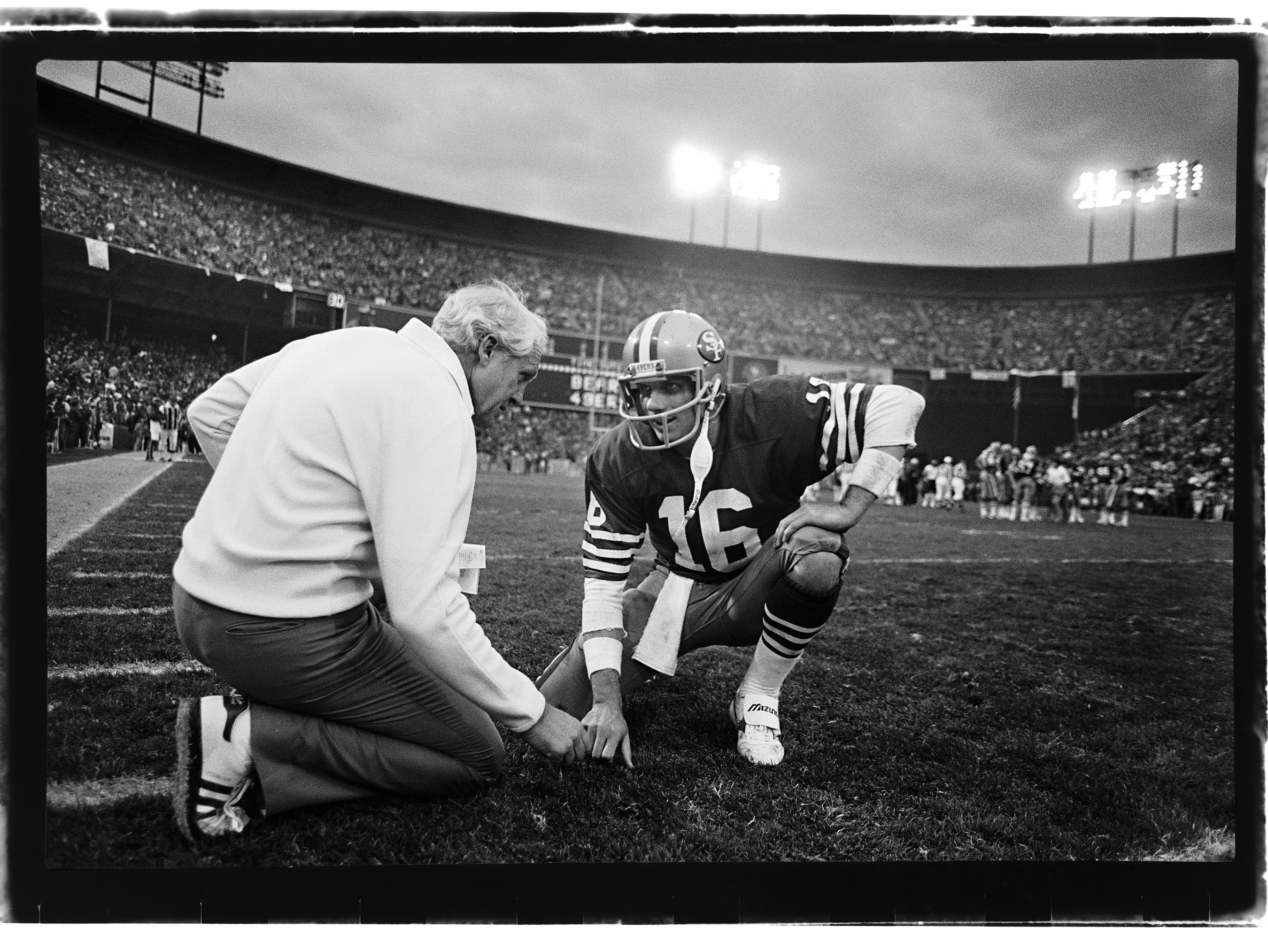
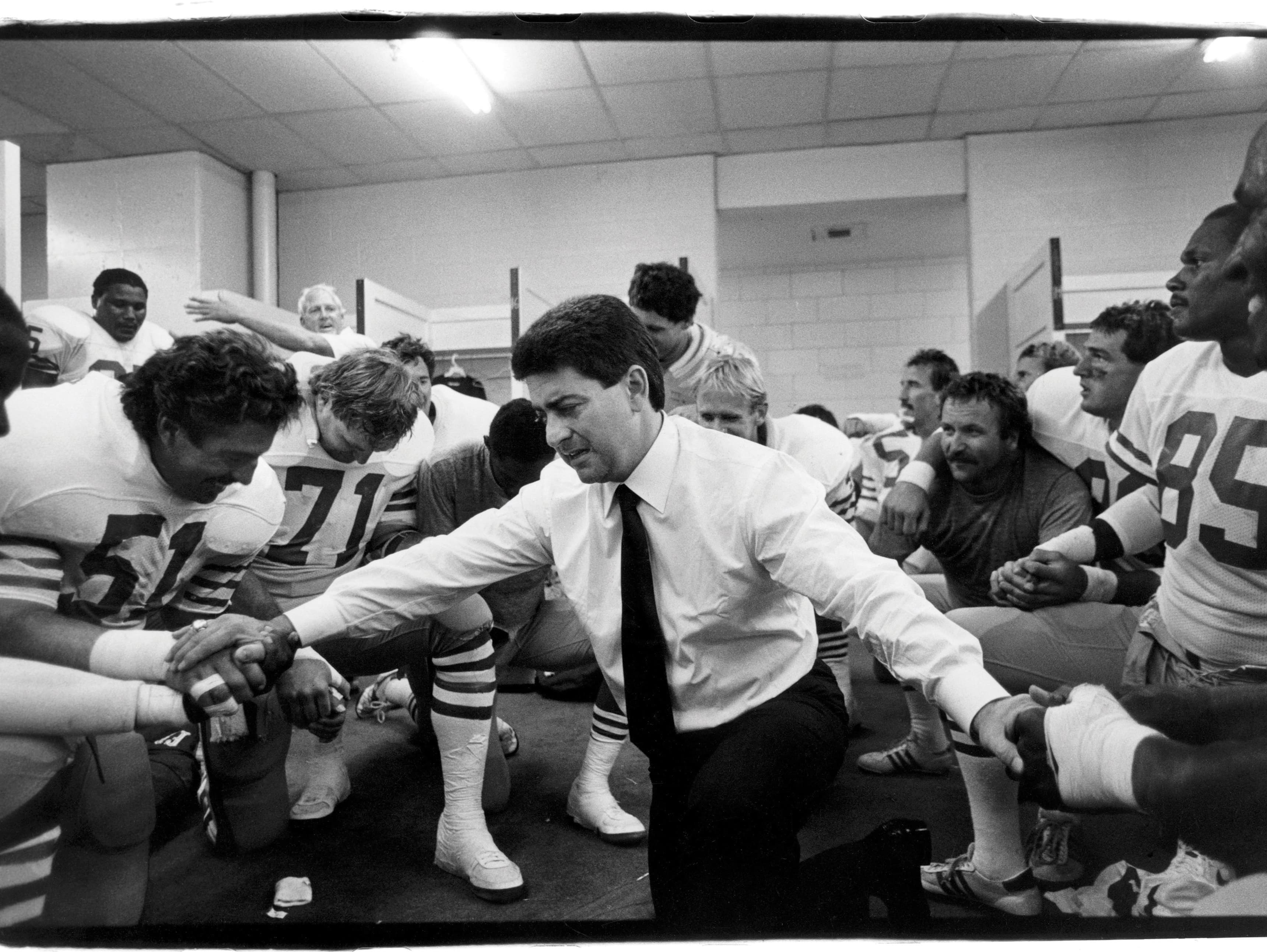
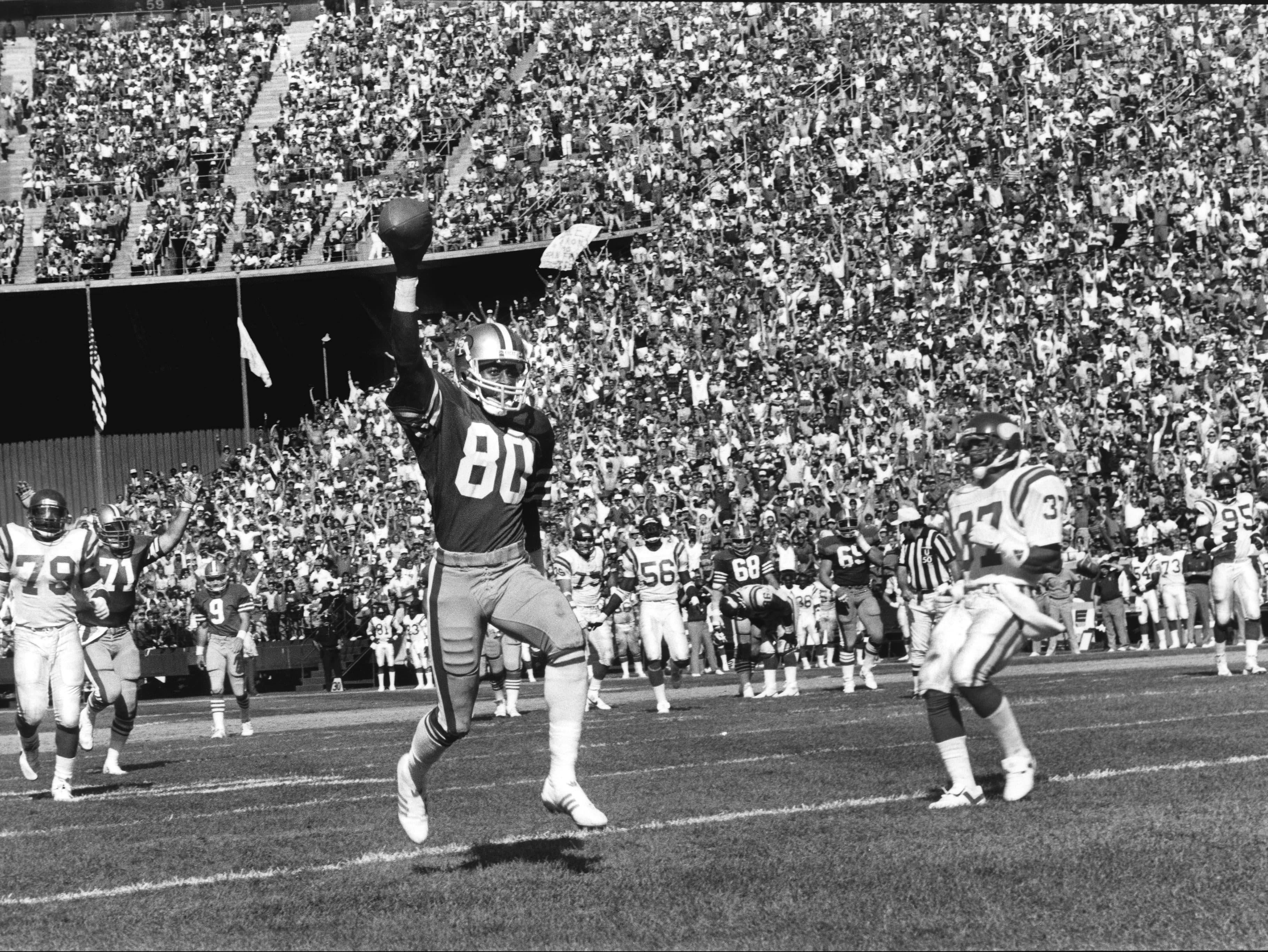
Beginning his career in the 1960s and becoming the San Francisco 49ers’ team photographer in 1973, Zagaris has spent more than half a century photographing professional sports from the inside. His camera has followed generations of players and coaches from the sidelines and locker rooms to practices, training camps, airplanes, and the quiet moments immediately before and after competition. Over the course of his remarkable career, including 52 seasons with the 49ers, Zagaris has photographed 44 Super Bowls, 12 World Series, and 14 MLB All-Star Games.
Yet Zagaris’s photographs are about far more than sports. His images capture concentration and exhaustion, humor and vulnerability, anticipation and camaraderie, celebration and defeat. Together, they form an extraordinary visual record of American life and popular culture.
“I wanted to approach whatever I was shooting as a photojournalist,” Zagaris has said, “and I wanted to shoot it from the inside out.”
That philosophy is central to the exhibition. Rather than simply documenting the outcome of a game, Zagaris turns his attention toward the human experience surrounding it. His photographs operate simultaneously as photojournalism, portraiture, social history, and works of art, revealing an acute sensitivity to gesture, movement, atmosphere, light, and psychological presence.
“Michael Zagaris’s photographs ask us to look beyond the spectacle of professional sports and consider the individuals, communities, and rituals that surround it,” said Anastasia James, Executive Director of The Butler Institute of American Art. “His extraordinary access is certainly part of what makes these images remarkable, but it is what he does with that access that distinguishes his work. These are deeply human photographs that belong within the broader history of American photography.”
The exhibition also invites visitors to reconsider the place of sports photography within the history of the medium. While photographs of war, celebrity, fashion, landscape, and social history have long received sustained scholarly and museum attention, sports photography has frequently been treated primarily as a record of an event. Zagaris’s work complicates that distinction, demonstrating that documentary purpose and artistic ambition are not mutually exclusive.
His commitment to black-and-white photography is particularly significant. At a time when many professional photographers were moving decisively toward color, Zagaris remained devoted to film and the expressive possibilities of the monochromatic image. Many works in the exhibition are silver gelatin prints personally produced by Zagaris in his home darkroom at the time the photographs were made. Decisions about exposure, contrast, cropping, and printing underscore the photographs as carefully conceived objects rather than simply reproductions of historic moments.
Although best known for his work in professional football, Zagaris has also created an extraordinary photographic record of American rock and roll. His subjects have included The Who, the Rolling Stones, Led Zeppelin, the Clash, and the Grateful Dead. Across both music and sports, his work is distinguished by intimacy, access, immediacy, and an instinct for the revealing moments that occur just beyond public performance.
The exhibition carries special resonance in Youngstown, a community with a deep connection to the history of the San Francisco 49ers through the DeBartolo and York families. Zagaris was present throughout much of that history, documenting the players, coaches, personalities, relationships, and traditions that shaped the franchise from an unusually intimate vantage point. That connection provides a distinctly local entry into an exhibition that ultimately tells a much larger story about American culture.
The Butler provides a particularly fitting setting in which to consider Zagaris’s work. Founded in 1919 by Joseph G. Butler Jr., the museum was the first institution in the United States housed in a building constructed specifically for the exhibition of American art. For more than a century, the Butler has collected, preserved, exhibited, and interpreted the breadth of American artistic achievement.
Seen within that context, Zagaris’s photographs are more than records of professional football. Collectively, they constitute a sustained visual history encompassing sport, music, celebrity, community, performance, and identity—preserving both extraordinary public events and the fleeting, often overlooked moments surrounding them.
OPENING RECEPTIONS
The Butler Institute of American Art will celebrate the opening of Michael Zagaris: 60 Years of NFL Photography with a series of special events offering members and the public opportunities to experience the exhibition and meet photographer Michael Zagaris.
A private reception for Trustees Circle members will be held on Friday, October 30th, from 5:00–6:00 p.m., offering an intimate opportunity to meet the artist and preview the exhibition. The evening will continue with an opening reception for Butler members from 6:00–8:00 p.m., with Zagaris in attendance.
The Butler will welcome the broader community for a public opening reception on Sunday, November 1, from 1:00–3:00 p.m. The reception is free and open to the public and will celebrate the official opening of the exhibition, which remains on view through April 25, 2027.
Admission to The Butler Institute of American Art and its exhibitions is always free.
EXHIBITION SUPPORT
Lead support for Michael Zagaris: 60 Years of NFL Photography is provided by presenting sponsors the San Francisco 49ers, Denise and John York, Jed and Danielle York, and Eddie and Candy DeBartolo and families. Additional support is provided by the PNC Foundation.
ABOUT THE BUTLER INSTITUTE OF AMERICAN ART
Founded in 1919 by industrialist and philanthropist Joseph G. Butler Jr., The Butler Institute of American Art is one of the nation’s most distinguished museums devoted exclusively to American art. Since its founding, the Butler has been committed not only to collecting, preserving, exhibiting, and interpreting American art, but also to making art accessible through education, scholarship, and community engagement. Admission to the museum is free to the public, continuing a tradition of broad public access that has been central to the institution for more than a century.
The Butler’s renowned collection spans centuries of American artistic achievement and includes significant works by Winslow Homer, Mary Cassatt, John Singer Sargent, Edward Hopper, Georgia O’Keeffe, Norman Rockwell, Jackson Pollock, Robert Rauschenberg, and Andy Warhol, among many others. Through its permanent collection, changing exhibitions, lectures, tours, school programs, artist programs, and educational and community outreach initiatives, the Butler serves audiences of all ages and provides opportunities to experience American art in both historical and contemporary contexts.
Located in Youngstown, Ohio, approximately 60 miles southeast of Cleveland and 65 miles northwest of Pittsburgh, the Butler serves as an important cultural destination for Northeast Ohio, Western Pennsylvania, and visitors from across the country. Its historic Wick Avenue campus includes the original 1919 museum building designed by McKim, Mead, and White as well as later expansions that support the Butler’s growing collections, exhibitions, educational programs, and public activities.
More than a century after its founding, the Butler remains committed to its founding principle that great American art should be accessible to everyone, while advancing the study and appreciation of American art for future generations.