With us at the center of our world: animals, domestications, dreams
Amy Ching-Yan Lam, Annika Eriksson, Cameron A. Granger, Christina Corfield, Deniz Tortum & Sister Sylvester, G. Anthony Svatek, Miranda Javid, and Noor Abuarafeh
June 12 – September 11, 2026
2495 Main St # 310
Buffalo, NY 14214
Squeaky Wheel presents an exhibition and public programs thinking through and on non-human animals. The artists – working in animation, essay films, speculative narratives, installation work, among other forms – address domestication, colonialism, extinction, and conservation, and the toll humans extract from our co-inhabitants on earth. The exhibition features work by Amy Ching-Yan Lam, Annika Eriksson, Cameron A. Granger, Christina Corfield, Deniz Tortum & Sister Sylvester, G. Anthony Svatek, Miranda Javid, and Noor Abuarafeh, with films by Serge Avédikian, Chris Marker, and Wiame Haddad in the screening program.
The title of the exhibition – with us at the center of our world – is from John Berger’s quintessential essay “Why Look at Animals?”, describing the place and role humans placed animals: how we may have seen and defined ourselves, our world through and with them. The works take on various perspectives, looking with and at animals, and how the forces of capitalism, control, colonialism, and war are now intertwined in our relationships with them. Thinking through these forces, the collected works in the exhibition ask: what is the world that humans and animals are at the center of, and are other worlds possible?
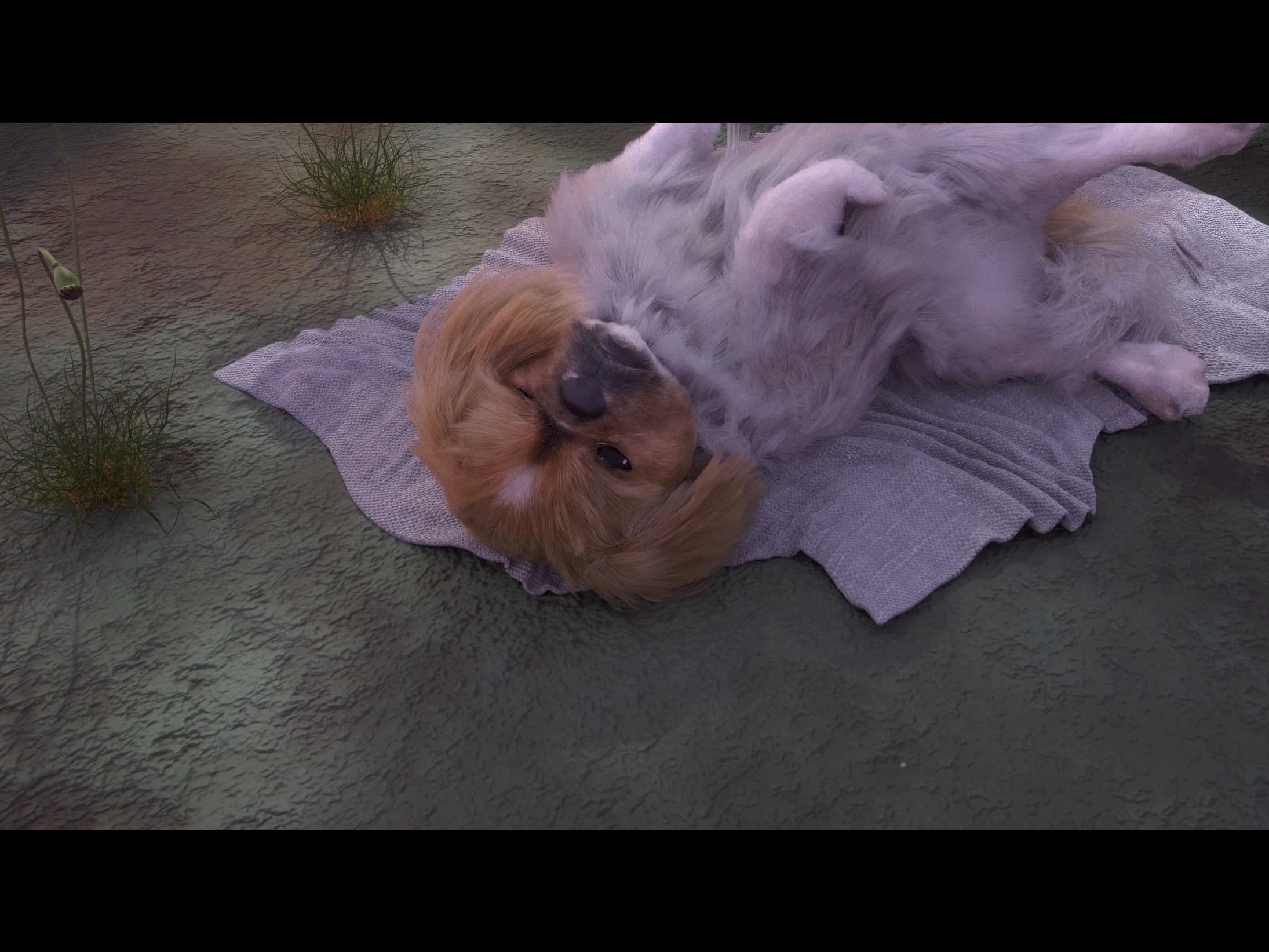
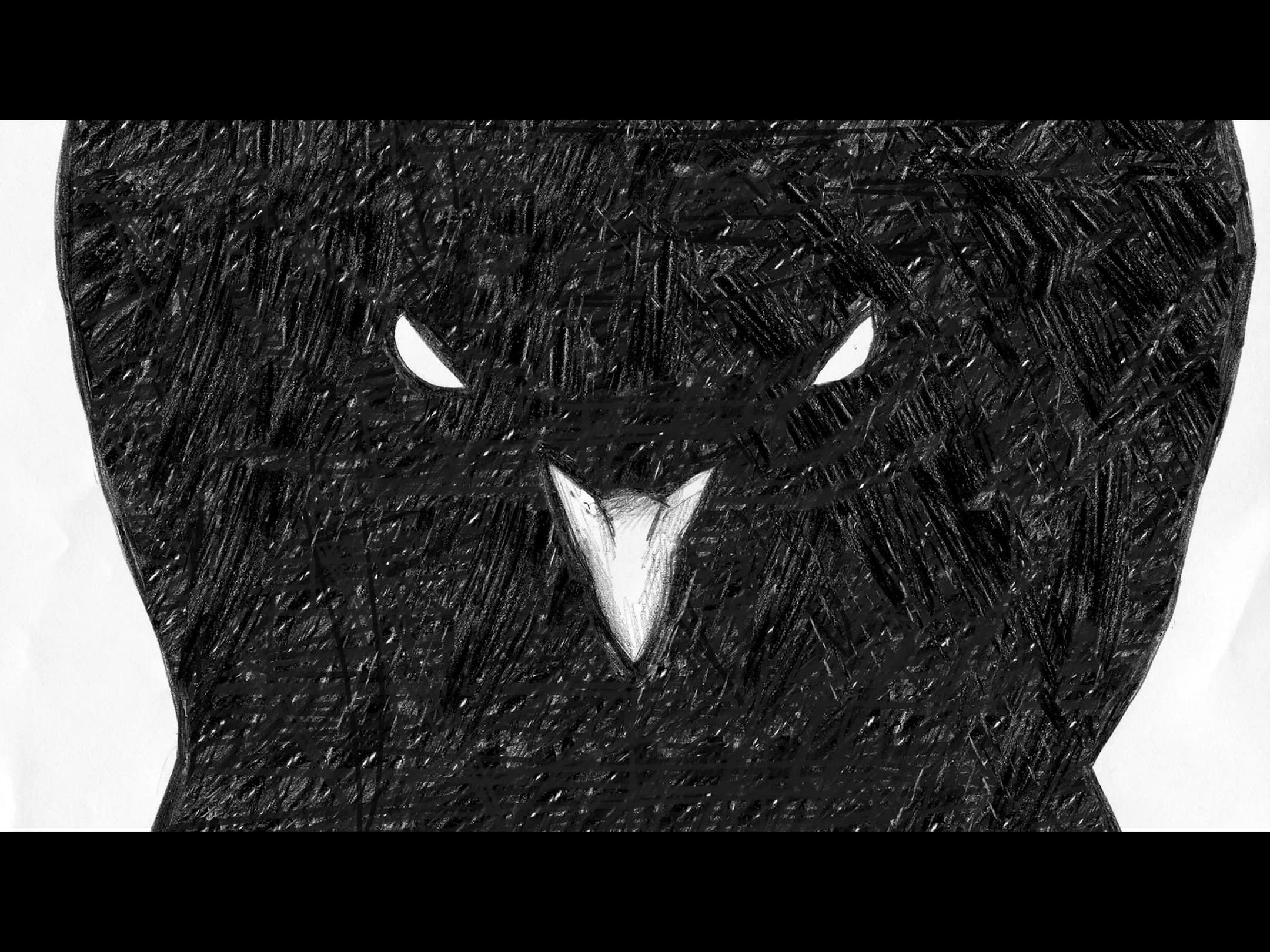
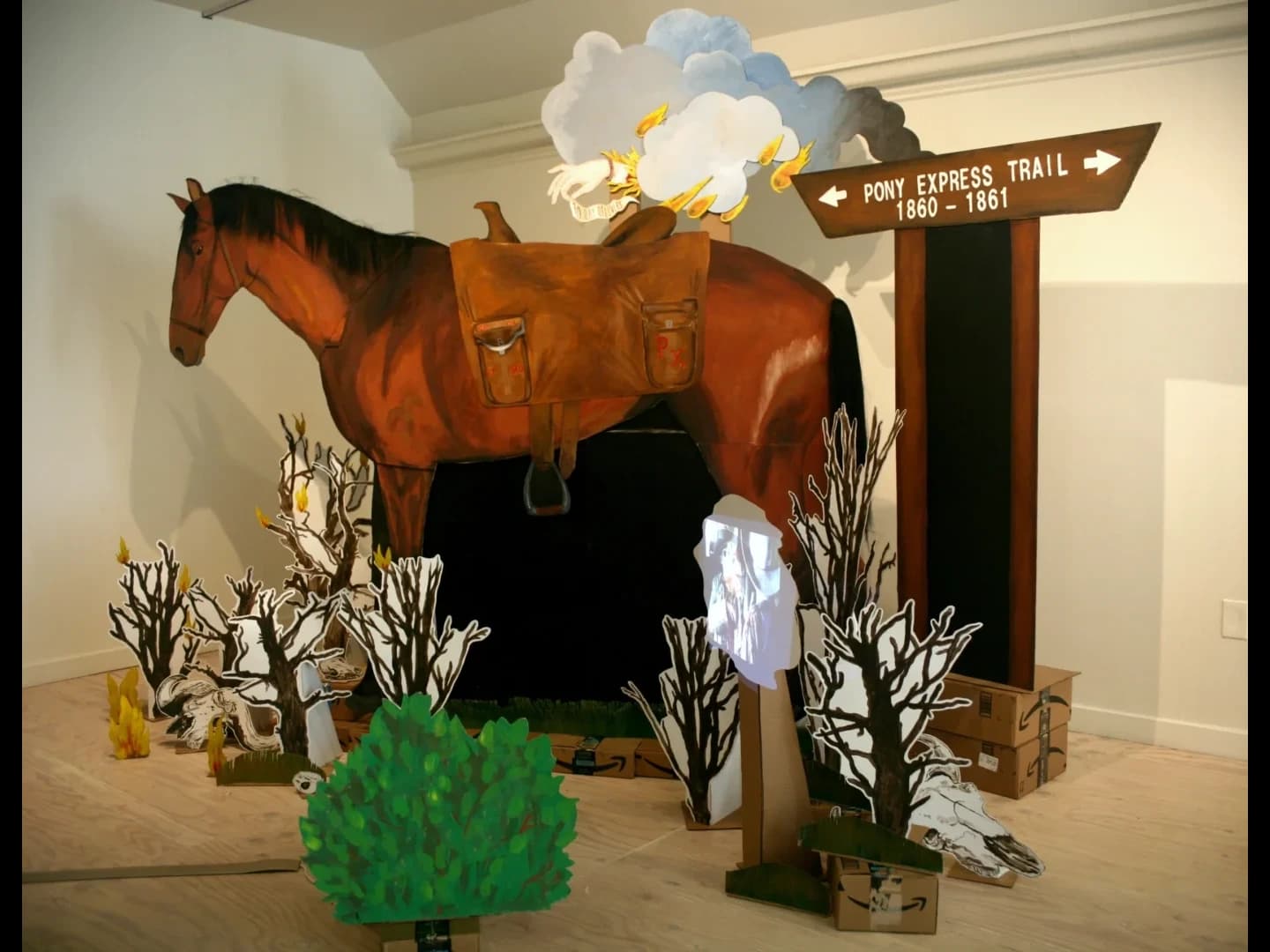
The exhibition features multiple strands for visitors to think through our relationship with non-human animals. Miranda Javid’s characteristically spectacular animated work Little Winds That Died Immediately features small animals as they try to survive under the force of humans using the artist’s signature transformative style, with its subtle and evocative soundtrack heard through the gallery. Amy Ching-Yan Lam’s Looty Goes to Heaven is written from the perspective of Looty, a small Pekingese dog that was stolen by British troops and gifted to Queen Victoria. The speculative fiction work—with Looty’s life told in the book and her restful afterlife in the video work made with Emerson Maxwell—speaks tenderly and often humorously to the obscene legacies left by the British empire on China during the Second Opium War. Cameron A. Granger’s stunning Just Below Heaven imagines the dreams and inner life of a pigeon trained for the machinery of American control; while Christina Corfield’s installation Pony Players Review thinks through the connections and settlements enabled in the U.S. by the Pony Express. Cutting together technology advertisements across decades that feature animals and nature in selling televisions, G. Anthony Svatek’s A Whole New Species harkens to the everpresent narrative of ownership, spectacle, and control over our world. Thinking through curated forms of animal collection such as zoos—what Berger called “living monument(s) to their own disappearance”—Noor Abuarafeh’s Am I the ageless object at the museum? considers zoos, museums, and cemeteries through an evocative narrative and footage of zoos in Palestine, Switzerland, and Egypt. Paired in the center of the exhibition with Abuarafeh’s work, Deniz Tortum and Sister Sylvester’s Our Ark documents the possibilities and consequences of efforts to backup virtual replicas of the world. Finally, Annika Erikkson’s video The Community features a carpet with several street cats in Turkey, opening a space for us to consider the roles and responsibilities of domestication, and the possibility of creating new spaces for human animals and non-human animals to gather.